
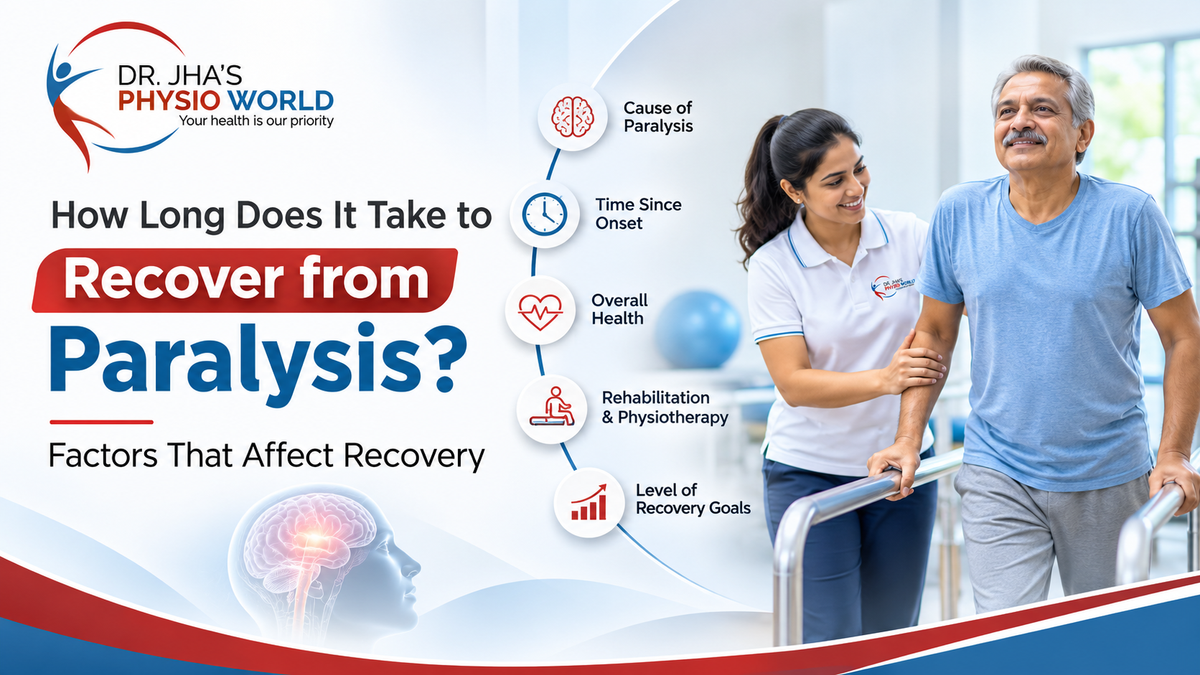
Paralysis can significantly affect a person’s mobility, independence, and quality of life. For patients and their families, one of the most common questions is, “How long does it take to recover from paralysis?” The answer depends on several factors, including the underlying cause, severity of the condition, overall health, and consistency of rehabilitation.
At Dr. Jha’s Physioworld, Mumbai, patients can explore physiotherapy and rehabilitation approaches designed to improve movement, strength, balance, and functional independence. Understanding the recovery process can help patients and caregivers set realistic goals and make informed decisions about treatment.
What Is Paralysis and How Does Recovery Begin?
Paralysis refers to the loss of muscle movement in one or more parts of the body. It can occur due to damage affecting the brain, spinal cord, or nerves. Common causes include stroke, spinal cord injuries, neurological conditions, and certain nerve disorders.
Recovery begins with identifying the underlying cause and receiving appropriate medical care. Depending on the condition, treatment may involve medication, surgery, neurological care, and physiotherapy.
For patients seeking Paralysis Treatment in Mumbai, a comprehensive assessment helps determine the most appropriate rehabilitation plan. Physiotherapy focuses on improving movement, maintaining joint flexibility, strengthening muscles where possible, and helping patients perform daily activities more independently.
How Long Does It Take to Recover from Paralysis?
There is no fixed timeline for paralysis recovery. Some patients may experience noticeable improvements within weeks, while others require months or years of rehabilitation. In certain cases, recovery may remain limited, depending on the extent of neurological damage.
For patients who develop paralysis after a stroke, improvement is often most noticeable during the first few months. However, progress can continue beyond this period with appropriate treatment and regular rehabilitation. Recovery following spinal cord injuries or other neurological conditions varies considerably according to the nature and severity of the injury.
It is important to remember that every patient’s recovery journey is different. Early improvements may include better muscle control, improved balance, or increased ability to perform daily activities. Progress should be assessed regularly by the treating medical team, and rehabilitation goals should be adjusted according to the patient’s needs.
Factors That Affect Paralysis Recovery
Several factors influence how quickly and effectively a person recovers from paralysis.
1. Cause and Severity of Paralysis
The underlying cause is one of the most important factors affecting recovery. Paralysis caused by a temporary nerve compression may have a different outcome from paralysis resulting from a severe stroke or spinal cord injury.
The extent of damage to the nervous system also influences the potential for improvement. A thorough medical evaluation helps establish an appropriate treatment approach and realistic recovery goals.
2. Early Diagnosis and Medical Treatment
Timely medical attention is essential, particularly when paralysis develops suddenly. Early diagnosis can help identify the cause and determine whether urgent treatment is required.
After the patient’s condition has been medically stabilised, rehabilitation may begin when the treating team considers it safe. Starting appropriate physiotherapy at the right time can help prevent complications associated with immobility and support functional recovery.
3. Consistency of Physiotherapy
Regular rehabilitation plays an important role in helping patients improve their movement and daily functioning. Physiotherapy may include guided movements, strength training, balance activities, gait training, and functional exercises tailored to the individual’s abilities.
Consulting an experienced Neuro Physiotherapist in Mumbai can help patients follow a structured rehabilitation programme based on their condition and recovery goals. Treatment intensity should be adjusted according to medical advice, fatigue, pain, and individual tolerance.
4. Age and Overall Health
A patient’s age, general fitness, nutritional status, and existing medical conditions can influence rehabilitation outcomes. Conditions such as diabetes, heart disease, and other neurological disorders may affect the recovery process.
Adequate nutrition, sufficient rest, and proper management of existing health conditions can support participation in rehabilitation. Family involvement and emotional encouragement may also help patients remain engaged with their treatment programme.
5. Family Support and Motivation
Recovering from paralysis can be physically and emotionally challenging. Support from family members and caregivers can help patients follow treatment recommendations and maintain motivation.
Simple activities, such as assisting with prescribed exercises, encouraging safe movement, and celebrating small improvements, can make the rehabilitation journey more manageable. Caregivers should also learn safe transfer techniques and follow professional guidance to reduce the risk of falls and injuries.
How Does Physiotherapy Help in Paralysis Recovery?
Physiotherapy is an important component of rehabilitation for many patients experiencing paralysis. The treatment plan depends on the affected body parts, muscle control, balance, coordination, and overall medical condition.
A physiotherapist may recommend assisted movements, stretching, strengthening exercises, sitting-balance training, standing practice, or walking exercises when appropriate. Patients with limited mobility may also benefit from positioning guidance and exercises designed to maintain joint flexibility.
The goal is not simply to improve muscle movement but also to help patients regain practical skills needed for everyday life. These may include sitting independently, transferring from a bed to a chair, standing safely, or walking with appropriate assistance.
Patients searching for a Paralysis Doctor in Mumbai should seek qualified medical evaluation to identify the cause of paralysis and determine suitable treatment. Physiotherapists and medical specialists can work together to coordinate care and monitor progress.
When Should You Seek Professional Help?
Sudden weakness or paralysis, particularly affecting one side of the body, may indicate a stroke or another medical emergency. If symptoms develop suddenly, seek emergency medical assistance immediately rather than waiting for a physiotherapy appointment.
For patients already diagnosed with paralysis, regular medical follow-ups and rehabilitation assessments help track progress, identify complications, and update treatment goals.
Paralysis Treatment in Mumbai at Dr. Jha’s Physioworld
Paralysis recovery requires patience, appropriate medical care, and an individualised rehabilitation approach. While some patients experience significant improvements, others may need long-term support to maintain mobility and independence.
At Dr. Jha’s Physioworld, Mumbai, patients can seek guidance on physiotherapy and rehabilitation options suited to their functional needs. A structured programme, regular progress assessments, and collaboration with the treating medical team can help patients work towards meaningful recovery goals.
If you or a family member is living with paralysis, consult a qualified healthcare professional to understand the available treatment options and develop an appropriate rehabilitation plan. Early assessment and consistent care can make an important difference in managing the condition and supporting quality of life.